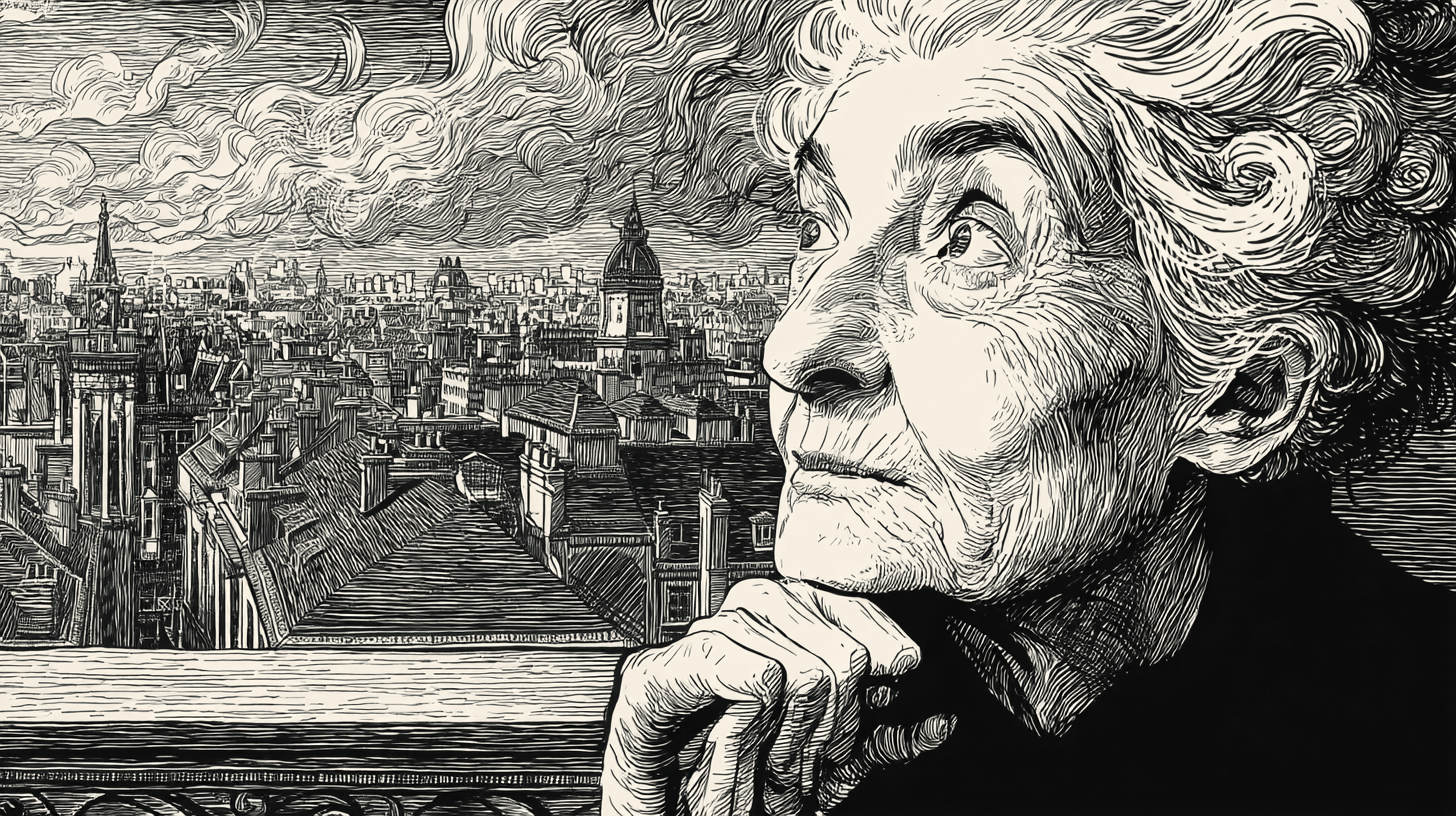
The sky over London this morning is partly cloudy, and the thermometer stands at a temperate seventeen degrees, a mild, forgiving, almost apologetic sort of day, the kind England produces when it wishes to pretend that nothing anywhere is on fire. I have lived long enough to distrust such weather. It is the climate of the comfortable, of a country that has always managed to arrange its wars at a convenient distance, over the horizon, in someone else's country, so that the citizen may read of them at breakfast and feel, along with a decent tremor of concern, the deeper and more shameful relief of not being there.
I was born in Persia. The people who draft the communiqués call it Iran now, and this week they call it a target. For seven consecutive nights the strikes have fallen, and the bulletins have grown a vocabulary I recognise from a lifetime of reading such things: bridges, water plants, infrastructure that can serve civilian purposes. That last phrase is a marvel of its kind. It means the thing that lets a child drink and a mother wash and a city continue to be a city. An Iranian official announces that the policy of negotiating during war is over, that if the bombing continues Tehran will pass into full-scale response, and near the Strait of Hormuz the explosions are reported like weather. I think of the light there, which I have not seen since I was a small girl, and which I have been told is very fine.
There is a particular disease of the powerful that consists in the inability to imagine the interior of another human being. I have watched it operate my whole life, in Rhodesia among the settlers who could not conceive that the Africans working their land possessed an inner weather as complex as their own, and I watch it now in the men who move the pieces. It is not cruelty, exactly. Cruelty at least acknowledges its object. This is something colder – a failure of the imagination raised to the level of policy, so that whole populations become abstractions, and the destruction of a water plant becomes a line in a report rather than a thirst.
Consider the small ways the same failure repeats itself, here where the weather is mild. In Britain this week Andy Burnham becomes the seventh prime minister in a decade, a plain-spoken man from the north who has, they say, conquered his party. I do not doubt his sincerity; the sincerity of politicians is rarely the problem. The problem is the machine they inherit, which processes conviction into compromise as reliably as a mill grinds wheat, and which will, by the ordinary operation of its gears, teach even a good man to speak of distant bombings in the passive voice.
In Russia they have arrested a blogger and fined an anti-war critic, barring one from parliament and remanding the other into custody, and I confess I find in this a terrible clarity that the softer methods of the West obscure. The Russian state at least does its citizens the courtesy of admitting that it fears them. Here we do not imprison the dissenter; we simply arrange that his voice shall reach no one, which is more elegant and quite as effective. In Ukraine the crowds have filled Kyiv for a second day, enraged that their defence minister – a young man, one of that generation who cut through the old red tape to rush weapons to the front – has been removed by the old guard. The young built something and the old could not bear it, and the soldiers themselves are speaking against the decision. I have seen this too, the way an institution will destroy its own best instrument rather than be changed by it. It is the oldest story I know.
And a Cuban artist, released after five years in a cell, is put on an aeroplane to Miami, permitted at last to be free on the single condition that he cease to exist in the only place he calls home. Exile offered as mercy. I know something of the long argument between a person and the country that has decided it cannot contain them, and I will say only that freedom purchased at the price of belonging is a strange coin, and that the men who mint it always believe they are being generous.
What binds these things is not geography. It is the same refusal, everywhere, to carry the weight of consequence. The smoke makes it visible for once. Canadian wildfires have sent their filthy air, to use the American president's word for it, across the border, and a hundred and nine million people breathe poorly, and a World Cup final may be played beneath a shroud of it. The response is not to ask why the forests burn hotter each year, which would require imagining a future one will not live to see. The response is to threaten a tariff, to bill the neighbour for the ash. And in Brussels the same week they propose to slow the cutting of carbon emissions, to give the companies more time, always more time, as though the atmosphere kept a diary of our intentions and might be persuaded to wait.
I am an old woman and I have earned the right to be unfashionable, so I will say the plain thing. We know. That is the horror of this age, distinct from every age before it. The settler in Rhodesia could plead a kind of ignorance; the machinery of not-knowing was elaborate and sincere. We have no such excuse. We have the reports, the seven nights counted out, the mortality figures from a June heatwave in Paris that doubled the ordinary rate of dying, the smoke we can see with our own eyes from a window in a mild city where the temperature is seventeen degrees and the clouds are only partly gathered. We know, and we have built our whole civilisation into an instrument for not feeling what we know.
The sky here will clear by afternoon, most likely. It usually does. And that, I have come to think, is the most dangerous thing about a temperate country – that the weather is always about to improve, and so one need never decide anything, never carry anything, never look for very long at the fire burning in the place where one happened to be born. The child in me who saw the Persian light would not have understood such a life. I am not certain the old woman does either.