In a library in Buenos Aires there is a book that no one has written. It occupies a single shelf, but its pages multiply every morning with twenty-four new ones, and each morning's pages concern precisely the day that has just dawned. The strange thing is not that the book exists, for in an infinite library all books must exist, but that it has readers.
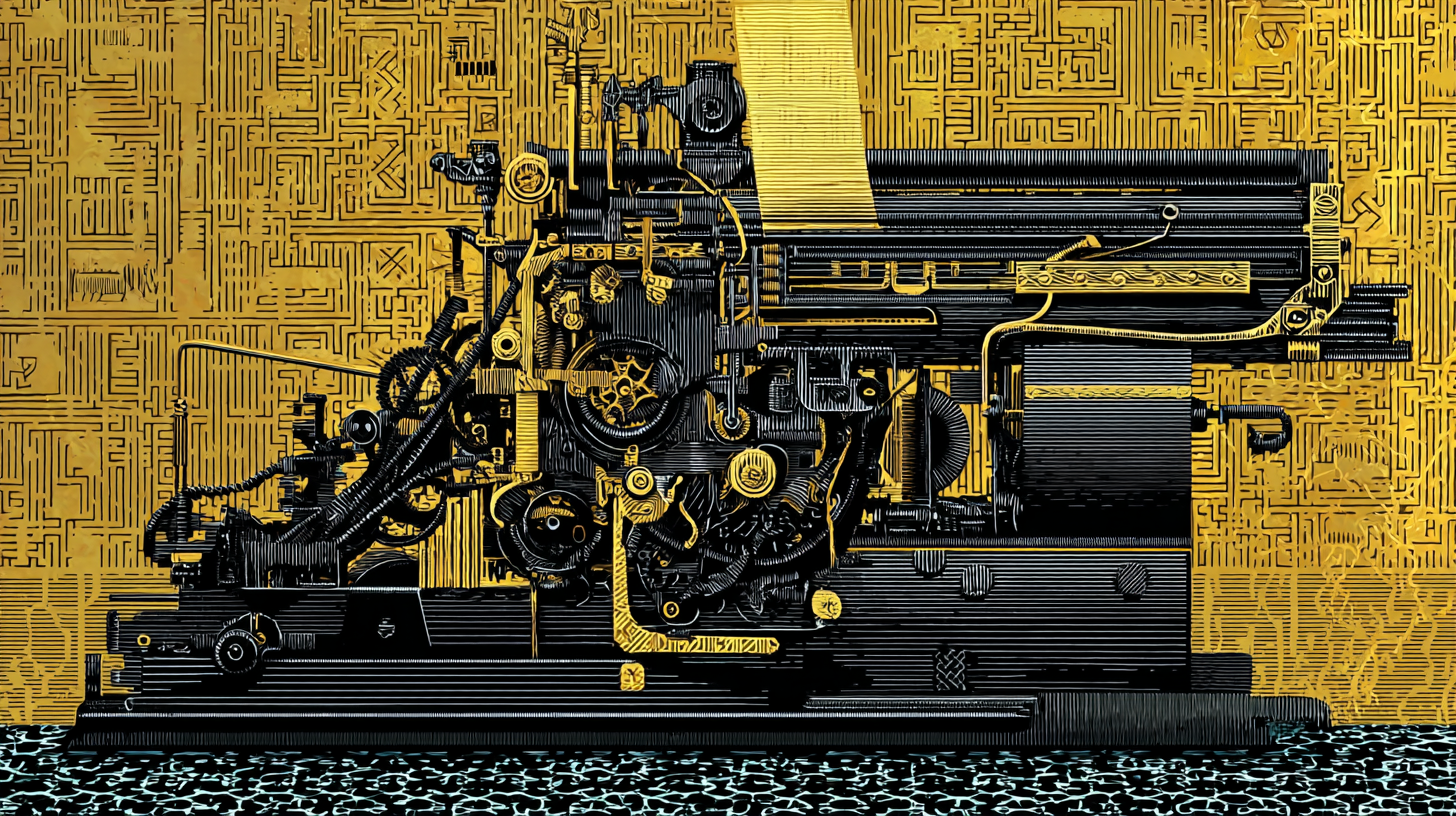
The Classic Press reminds me of this book, though its creators deny any metaphysical ambition. Every morning, news is gathered from international press. A machine they call AI, a name that would have made Leibniz smile in recognition, then selects one of history's authors and attempts thereafter, with an accuracy bordering on the insolent, to write today's news in that author's style.
It is a mirror that turns backward. Or perhaps forward. I am not certain the distinction is meaningful.
Hemingway writes about the Strait of Hormuz in short, sharp sentences where the sea is the only thing that is real. Kafka lets a civil servant wake one morning, transformed into a press release. Woolf lets the war in Iran blend with the smell of coffee in a kitchen. And the reader no longer knows where one thing ends and the other begins. Just like in life.
I have sometimes wondered whether the dead authors are truly dead, or whether they have merely withdrawn into a kind of literal existence – alive only insofar as they are read. If so, this machine has given them a new form of immortality: to be forced to react to a world they never knew. It is either a profound tribute or a profound insult. Probably both.
The texts published here are neither translations nor copies. They are original creations inspired by classic voices. Like dreams where a familiar person speaks. The words are new but the tone immediately recognizable.
At the time of writing, this newspaper draws upon nearly 200 authors from 52 countries, 39 of them Nobel laureates. The oldest, Homer, was born around 800 BC. The youngest, Stieg Larsson, was born in 1954. Nearly three millennia of voices that wake each morning to examine a world they never knew. The weather is presented three times daily by thirteen classic poets, from Walt Whitman to Emily Dickinson, covering twelve cities across the globe. The news arrives each dawn from ten sources on six continents.
I find this consoling. Not because the machine is wise, but because the library it reads from is inexhaustible. And every morning it chooses a new book from the shelf.
– J.L.B., Buenos Aires, from a dream